
Hello Somas!
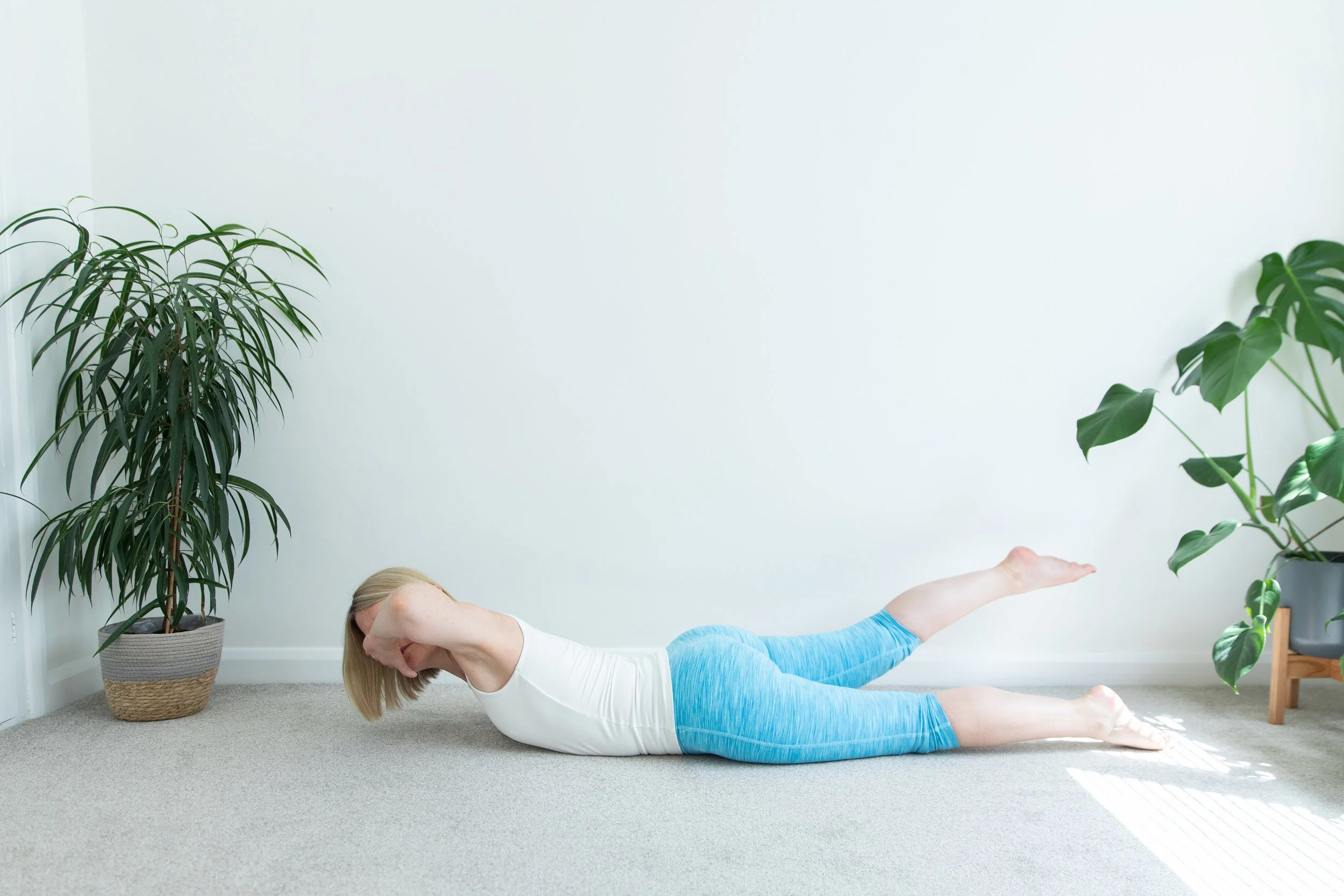
Liz Underwood
This week I finally made time to listen to this brilliant podcast with Dr Chatterjee and Dr Howard Schubiner, several of my students, friends and colleagues had already mentioned it to me (yesterday it was Test Match Special, so this morning it was this! 😄).
It’s not just interesting, it’s important and it had me nodding along as someone who has spent years working in the very same territory, just through the different door of movement.
Dr Schubiner talks about the difference between structural pain, where there is clear tissue damage, and neuroplastic pain, where the nervous system has learned to stay in a state of protection long after the original cause has gone. He explains that a nervous system held in chronic stress will continue to generate pain, fatigue, anxiety and depression — not because the body is broken, but because it has learned this is the appropriate response to the world it finds itself in.
And as I listened, I kept thinking: Thomas Hanna knew this.
Hanna, the founder of Clinical Somatics, spent his life studying how our nervous systems habituate to stress quietly, unconsciously, until those patterns become what he called Sensory Motor Amnesia: where we lose the ability to sense and release chronic muscle tension because the brain has simply forgotten it’s there.
He mapped this through three somatic reflexes that I return to again and again in my teaching.
The Red Light Reflex - the curl inward, hunched shoulders, collapsed chest. The body’s posture of anxiety, overwhelm and stress. When it becomes habitual, we stop feeling it. We just are it.
The Green Light Reflex - the bracing, the back tightening, the posture of always pushing forward, always doing. Chronic lower back pain, tight hip flexors, a neck that never quite releases. Sound familiar?
The Trauma Reflex - the holding pattern after injury or shock. The asymmetry, the side-guarding, the subtle twist the body never quite let go of.
These aren’t just postural habits. They are nervous system stories. The body saying I’ve been here before and I’m still protecting you.
What Hanna understood and what Dr Schubiner’s work in pain neuroscience is now confirming is that these patterns, because they are learned, can be unlearned. Not through force, not through stretching or strengthening our way out of them, but by gently, consciously bringing the sensory motor cortex back online. By teaching the nervous system, through slow and deliberate movement, that it is safe to let go.
This is what pandiculation does. This is why Somatics works.
So many people are living with pain or a body that never quite feels at rest, (the latter I can particularly relate to, something I’ve experienced all my life, hence my search for something that created the deeper sense of ease), believing this is simply how things are. But what if the nervous system has simply learned a pattern it no longer needs? What if the body isn’t broken just stuck in a story it hasn’t yet had the chance to rewrite?
I see this possibility open up for my students all the time. Not overnight, and not without patience and practice, but steadily, sometimes profoundly. The body begins to feel safe again. The nervous system starts to release what it no longer needs to carry.
🎧 I’d love you to have a listen [link here]
And if you’d like to feel this work in your own body, my Back Care Basics workshop at Central Wellness is on Saturday 11th July, 10am–12:30pm a gentle, practical morning working directly with these reflexes. You’ll leave with tools you can return to again and again. [Book here]
I’m going to listen to the last of the Test at Trent Bridge (which won’t be for long I suspect 🏏) and you can find out about all my classes here and my upcoming offerings here
From my heart, soul and soma to yours.
Liz 🧡🙏🏻
Thanks for reading Liz Underwood! Subscribe for free to receive new posts and support my work.